
GUT LINING INTEGRITY — Why One Cell Makes All the Difference
YOUR GUT LINING IS EXTRAORDINARY
Your gut lining is a single-cell-thick barrier that separates your digestive tract from the rest of your body. This one-cell layer allows nutrients through while locking pathogens and toxins out—keeping your internal environment stable and safe.
WHY IT'S SO VULNERABLE
The thin lining is held together by tight junction proteins, such as claudins and occludins, which regulate passage between cells and preserve the tissue barrier.
Damage can result from modern-day stressors—NSAID (Non-Steroidal Anti-Inflammatory Drugs), alcohol, poor diet, infections, nutrient deficiencies (e.g. low zinc, vitamins A, D), constipation and psychological stress—all of which can increase intestinal permeability or “leaky gut”.
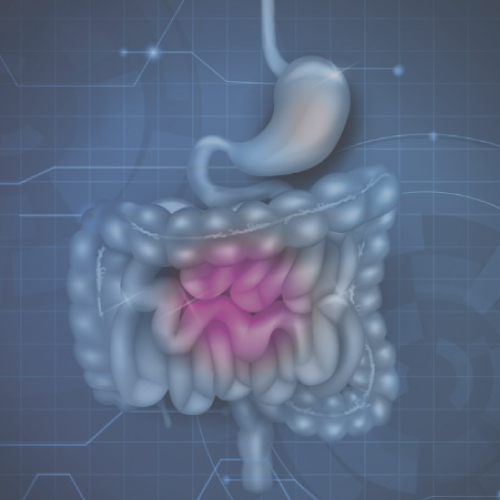
Once the lining is compromised:
Candida and other pathogens may cross into the bloodstream, triggering inflammation and immune activation.
Malabsorption follows—nutrients don’t enter efficiently—leading to fatigue, sluggish metabolism and impaired cellular repair.
Gut-related conditions like IBS, food sensitivities, autoimmune inflammation, low immunity and systemic symptoms can emerge.
How to protect your gut lining
- Prioritise a nutient-rich, anti-inflammatory diet full of fibre, omega‑3s, polyphenols, zinc, vitamins A and D, glutamine—foods that strengthen tight junctions and promote mucosal integrity.
- Include prebiotics and probiotics to support microbial balance and gut mucosal health.
- Stay hydrated and manage inflammation with stress reduction, movement, sleep and avoidance of irritants like alcohol, NSAID and processed foods.
Why This Matters?
When your gut lining is intact, your immune system thrives, nutrients are absorbed and inflammation stays in check. But when it’s breached, symptoms ripple out—brain fog, mood swings, low immunity, digestive irregularity, skin issues and hormonal disruption.
In short: heal the lining = heal the body. Gut lining is not just about digestion—it’s central to vitality, resilience and whole‑body wellness.
Common NSAID:
Ibuprofen (e.g., Nurofen, Advil)
Aspirin (e.g., Disprin, Cartia – also used for heart health in low doses)
Naproxen (e.g., Naprosyn, Aleve)
Diclofenac (e.g., Voltaren)
Indomethacin
Meloxicam
Celecoxib (a COX-2 selective NSAID)
What to Know (Especially for Gut Health):
NSAID work by blocking enzymes (COX-1 and COX-2) involved in producing prostaglandins, which cause inflammation and pain. However, prostaglandins also help protect the gut lining and maintain kidney function.
Risks to the Gut:
Erosion of the stomach or intestinal lining
Increased risk of leaky gut and ulcers
Impaired nutrient absorption
Higher chance of gut permeability, especially with long-term use